
If you have spotted a glowing orange drink behind the counter of a Bangkok café and wondered, “What does Thai tea taste like?” You are asking the right question before you order. Thai tea, known locally as cha yen, is one of the most recognisable drinks to come out of Thailand’s tea culture, and its flavor is a lot more layered than the bright color suggests.
What Is Thai Tea? A Quick Introduction to Cha Yen
Cha yen means “cold tea” in Thai. It traces back to Chinese tea traders who settled in Bangkok’s Yaowarat neighbourhood in the early 1900s. The most widely used blend today, sold under the ChaTraMue (Number One) brand, started life as a small Chinese teashop that began importing red tea once it found Chinese hot tea did not suit the local climate or taste.
Bangkok still has plenty of places carrying that tradition forward. The city’s tea houses brew cha yen the old way, steeping a strong black tea blend before mixing it with sweetened condensed milk and pouring it over crushed ice.
So, What Does Thai Tea Actually Taste Like?
Strip away the orange color, and cha yen is built on four layers: a strongly brewed black tea base, sweetness from condensed milk, warm spice from star anise and sometimes tamarind seed, and the rich creaminess of evaporated milk poured on top. None of these layers fights for attention. The tea is brewed deliberately strong so it can stand up to all that milk and sugar without disappearing into it.
Tasting notes, broken down:
- A malty, slightly tannic black tea base, similar to a strong Assam or Ceylon brew
- Warm star anise and a vanilla-like spice note running through the background
- Heavy sweetness from condensed milk, balanced by a touch of bitterness from the tea itself
- A light tang when tamarind seed is part of the blend
- A creamy top layer of evaporated milk that mellows every sip
| Never had it before? Think of Thai tea as somewhere between a spiced chai latte and a black tea soda, thicker and sweeter than either, and unmistakably orange. |
Why Is Thai Tea Orange (And Does the Color Change the Taste)?
The orange hue did not start as a dye. Originally, it came from the natural color of strongly brewed black tea combined with spices like star anise and tamarind seed. According to Wikipedia’s entry on Thai tea, the drink is traditionally based on strongly brewed Ceylon tea or a local Assam variety, blended with orange blossom water, star anise, and crushed tamarind seed before milk is added.
Most commercial Thai tea mixes sold today get their vivid, consistent color from added food coloring rather than the spices alone. That dye does not really change the taste. What actually shapes the flavor is the strength of the tea, the spice blend, and how much condensed and evaporated milk goes in, not the color itself.
Hot Thai Tea vs Iced Thai Tea: Does It Taste Different?
Cha yen is brewed hot before it ever sees ice. Vendors steep the tea blend in boiling water, strain it, then either serve it warm right away or pour the same brew over crushed ice for the iced version most people picture when they hear “Thai tea.”
The two versions do taste a little different. Served hot, the tea’s tannins and spice come through sharper and more bitter. Served iced, the ice dilutes the brew slightly and lets the sweetness lead, which is why the iced version is the one that became famous outside Thailand. Many Thais still drink the hot version, cha rorn, in the morning, then switch to iced tea once the afternoon heat sets in.
A few common ways to order it in Thailand:
- Cha yen, the classic iced milk tea, is what most people mean by “Thai tea”
- Cha dam yen, the same tea blend served iced without milk, sweetened with sugar only
- Cha manao, iced tea with lime instead of milk, sharper and noticeably less sweet
- Cha rorn, the hot version, is usually drunk in the morning

Thai Tea vs Thai Milk Tea vs Thai Tea Boba: Same Drink, Different Names?
“Thai tea,” “Thai milk tea,” and “Thai tea boba” usually describe the same base drink with small differences in framing. Thai milk tea simply emphasises the condensed milk component that makes cha yen so creamy in the first place; it is not a separate recipe.
Thai tea boba is the identical tea base served with chewy tapioca pearls added at the bottom of the glass, the kind of thing you will find at most of Bangkok’s bubble tea shops. The pearls change the texture and the drinking experience far more than they change the taste; the tea itself is brewed the same way on either side of the counter.
Thai Tea vs Thai Iced Coffee (Oliang): How the Flavors Compare
Thai tea is not the only orange-meets-condensed-milk drink on a Bangkok menu. Oliang, Thailand’s traditional iced coffee, follows a similar formula of strong brew plus sweetened milk over ice, but the flavor lands somewhere completely different.
| Cha Yen (Thai Tea) | Cha Dam Yen (Dark Thai Tea) | Oliang (Thai Iced Coffee) | |
| Base | Strong black tea + spice blend (star anise, tamarind) | Same tea blend, no milk added | Robusta coffee + roasted corn, soybean, sesame |
| Flavor | Sweet, creamy, spiced, gently tannic | Tangy-sweet, lighter, more tea-forward | Bold, smoky, slightly bitter, nutty |
| Sweetness | High (condensed milk plus sugar) | Medium (sugar only) | Medium to high (condensed milk) |
| Milk | Yes, condensed and evaporated | No | Usually, often optional |
| Color | Bright orange | Reddish-amber | Dark brown to black |
According to Wikipedia’s entry on Oliang, it is traditionally prepared from a mix of Robusta coffee grounds, brown sugar, and roasted grains and seeds such as corn, soybeans, rice, and sesame, which is what gives it that smoky, slightly bitter backbone instead of cha yen’s spiced sweetness. That is one reason people who find Thai tea too sweet often end up preferring it.
If you want the full breakdown of how Thai coffee compares to its Vietnamese cousin, our guide on whether Thai coffee is stronger than Vietnamese coffee covers that in detail. And if Thai coffee itself is what you are curious about, our All About Thai Coffee FAQs Answered guide rounds up everything else worth knowing.
Where to Try Authentic Thai Tea in Bangkok
If you want the version made the traditional way, Bangkok’s Chinese tea houses are a good place to start. Many still brew their own blends rather than using a pre-made mix, so the spice and tea strength can vary in a way you will not get from a bottled version.
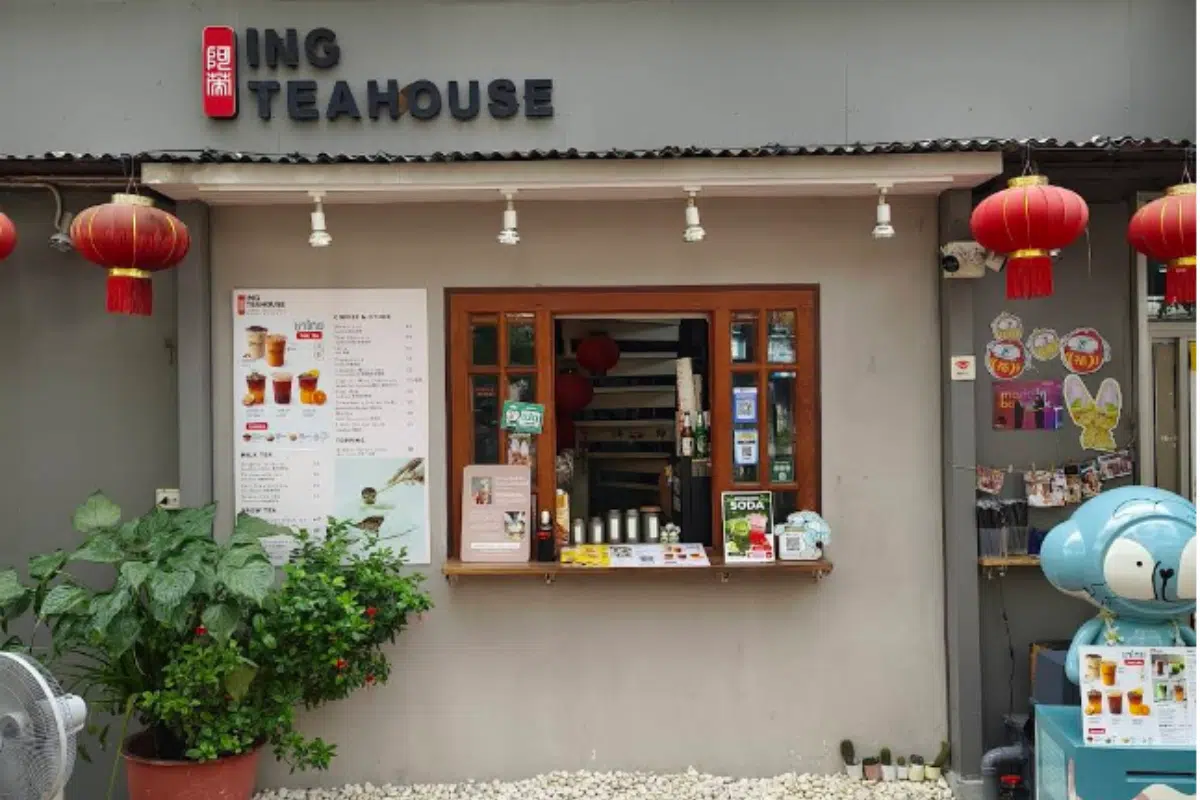
For a sit-down tea house experience, Ing Teahouse is one of the spots on our directory worth seeking out if cha yen, brewed properly, is what you are after.
Frequently Asked Questions About Thai Tea
Is Thai tea very sweet?
Yes, by most standards. Traditional cha yen is sweetened with both sugar in the brew and condensed milk on top, so it sits closer to a dessert drink than a plain iced tea.
Does Thai tea have caffeine?
Yes, since it is made from real black tea. For the full picture, including how it compares to coffee, see our guide: Does Thai Tea Have Caffeine? Everything About Cha Yen.
Can I order Thai tea less sweet in Bangkok?
Yes. Ask for it “wan noi” (a little sweet) or “mai sai nam tan” (no added sugar), and most vendors and cafes will adjust it. The condensed milk still adds some sweetness either way, since it is mixed into the base.
Is the orange color natural?
Partly. The color started as a side effect of strongly brewed tea and spices like star anise and tamarind seed. Most commercial mixes today rely mainly on added food coloring to keep the color consistent from cup to cup.
Is Thai tea the same as Thai milk tea?
Functionally, yes. “Thai milk tea” just highlights the condensed milk that is already part of a standard cha yen, rather than describing a different drink.
Now you know exactly what Thai tea tastes like. The next step is trying it for yourself, and that is exactly what Caffeine Spots is here for, pointing you toward the cafes and tea houses across Bangkok worth the trip.
Comments