
The confusion is understandable. Order a ‘dirty coffee‘ at one café, and you get a small glass of cold milk with a shot of hot espresso floating on top. Order a ‘dirty latte‘ at another place, and you might get the same thing or something completely different. And a ‘dirty chai latte’ is a third drink altogether. Bangkok’s specialty coffee roasters all carry at least one ‘dirty’ on the menu, and menus rarely explain what separates them.
Here’s the clearest breakdown, with the naming history, the honest taste differences, and everything you need to know before you order or make one at home.
The Three ‘Dirty’ Drinks at a Glance
| Drink | Base | Milk | Origin | What makes it ‘dirty’? |
| Dirty Coffee | Espresso | Cold, unchilled (no ice) | Tokyo (Bear Pond, ~2010) | Espresso poured over cold milk — stains it |
| Dirty Latte (Bangkok) | Espresso + cold milk | Cold, unchilled (no ice) | Tokyo; renamed in Thailand | Same as dirty coffee — Thai cafés use ‘latte’ |
| Dirty Chai Latte | Chai (black tea + spices) + steamed milk | Steamed (hot) or iced | Western café culture | Espresso shot added to a drink without coffee |
The core rule: ‘Dirty‘ in coffee language means adding espresso to a base that doesn’t traditionally contain it, or in the original sense, pouring espresso over cold milk in a way that ‘stains’ (dirties) it. The word describes the visual more than the flavour.
What Is Dirty Coffee?
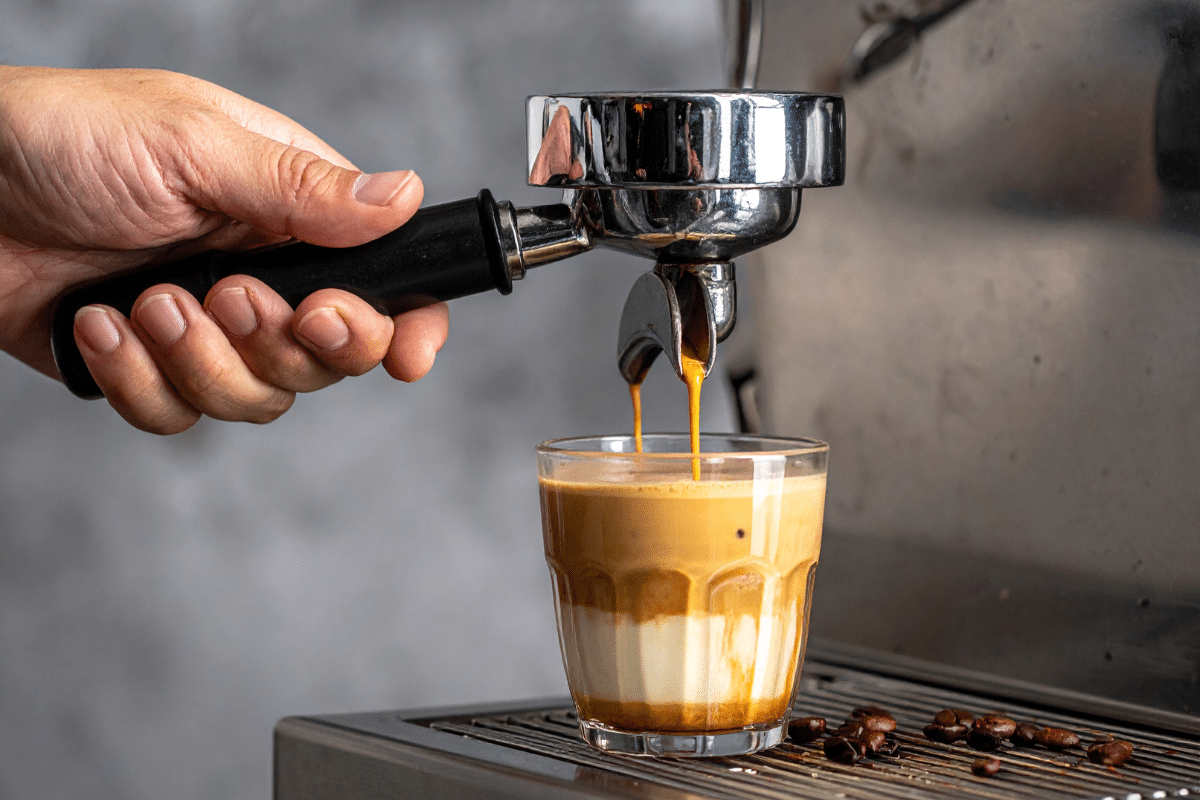
Dirty coffee is one of the most visually striking drinks in modern café culture and also one of the simplest. It is nothing more than a shot of hot espresso poured carefully over cold, unchilled milk in a clear glass. No ice. No stirring. The espresso sits on top, slowly seeping downward through the milk in tendrils and swirls. This is the ‘dirty’ moment: the coffee staining the white milk like ink in water.
Where Dirty Coffee Came From
The drink was created around 2010 by Katsuyuki Tanaka, known in the coffee world as ‘Angelstain’, founder of Bear Pond Espresso in Tokyo’s Shimokitazawa neighbourhood. According to Barista Magazine’s interview with Tanaka, the inspiration came from a customer who complained that ice had melted in her iced latte and watered down the drink. Tanaka’s solution: cold milk, no ice, a syrupy ristretto-style espresso poured directly on top so the two temperatures met without dilution.
The name comes from the visual. When Tanaka pulled his dense espresso shots, the crema and coffee would leave marks and stains on the rim of the cup as the liquid flowed. He called these stains the ‘sincerity of the espresso.’ Pouring it over milk produced a similar dirty, streaked effect in the glass.
What Makes it Different From an Iced Latte
Dirty coffee and an iced latte share the same ingredients (espresso and milk), but the execution is completely different. An iced latte uses steamed or cold-frothed milk poured over ice, with everything blended. Dirty coffee uses cold milk straight from the fridge, no ice at all, and the two liquids are deliberately kept separate. The result, as Perfect Daily Grind notes, is a drink where the flavour evolves with every sip rather than tasting the same throughout.
Tanaka described his original Dirty this way: the first sip is 80% espresso, 20% milk. The second sip, as the layers begin to merge, is the reverse. Wait a few minutes, and it becomes a perfectly blended 50/50 cold latte. You’re not drinking a single drink; you’re drinking three in succession.
What Is a Dirty Latte and Why the Name Causes Confusion
This is where it gets genuinely confusing, because ‘dirty latte’ means different things in different parts of the world.
In Bangkok and Thailand
In Bangkok’s café scene, ‘dirty latte’ and ‘dirty coffee’ refer to the same drink: espresso over cold milk, served in a clear glass, no ice. Thai cafés absorbed the Bear Pond Tokyo concept and adapted the name to ‘dirty latte’, partly because ‘latte’ signals a milk-based espresso drink to customers, and partly because the original Japanese name (‘The Dirty’) is tradeable shorthand in a market that loves novelty branding.
If you order a ‘dirty’ or ‘dirty latte’ at a Bangkok espresso bar, you will almost certainly receive: a clear glass of cold milk, a shot of espresso poured on top, and a dramatic marble swirl sitting there waiting for you to drink it before it collapses. The Caffeine Spots guide to the dirty latte in Thailand covers why this particular format thrives in Bangkok’s climate, the cold base makes it naturally refreshing in 35°C heat, while the espresso delivers the caffeine hit without the wateriness of a regular iced coffee.
In Western café culture
Outside Asia, ‘dirty latte’ has developed a second meaning: an espresso shot added to a non-coffee latte, most often a chai latte or a matcha latte. In this usage, ‘dirty’ means the clean, tea-based drink has been ‘dirtied’ by adding coffee. A dirty matcha latte, for instance, is a matcha latte with a shot of espresso on top. A dirty chai latte follows the same logic.
This is worth knowing because it means the same menu item can describe different drinks depending on where you are.
- In Bangkok: ‘dirty latte’ = espresso over cold milk.
- In a London or New York café: ‘dirty latte’ = espresso added to whatever latte they specify.
When in doubt, ask which base the café is using.
What Is a Dirty Chai Latte?
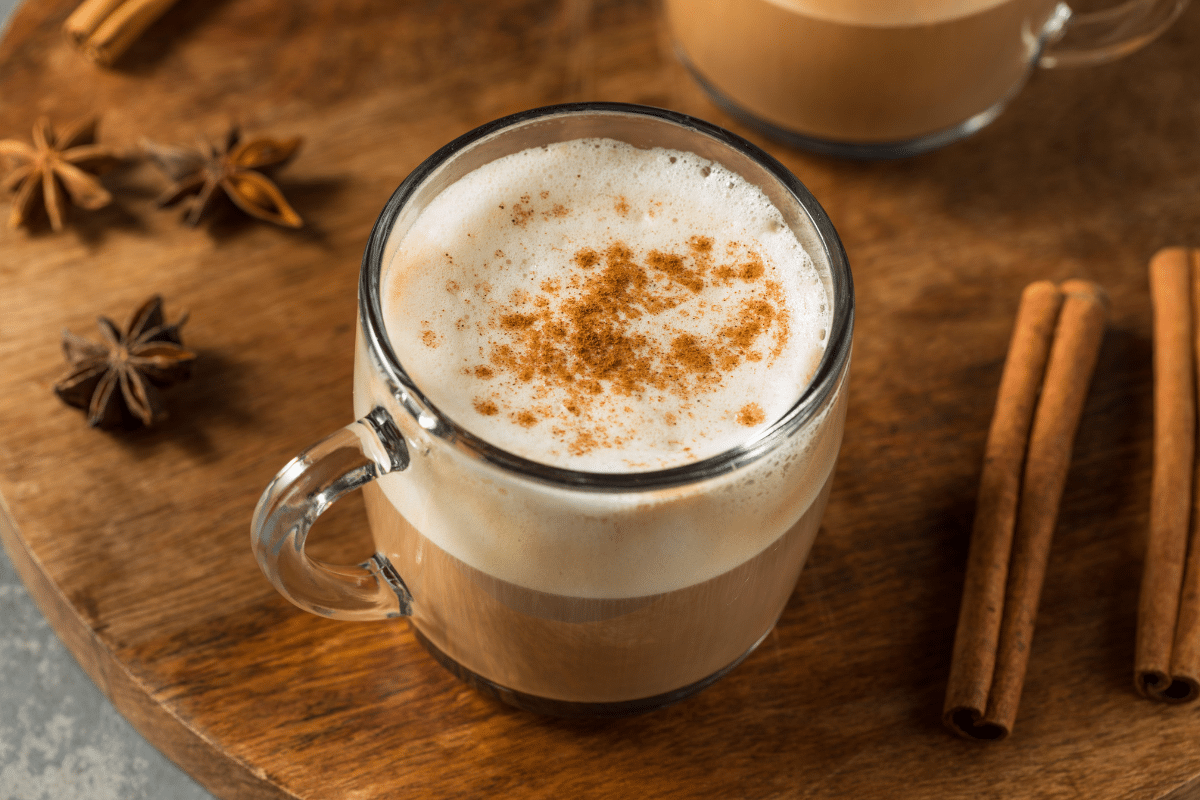
A dirty chai latte is a separate drink from dirty coffee, and the two are only loosely related by the word ‘dirty.’ The starting point is a chai latte, spiced black tea brewed with cinnamon, cardamom, ginger, and cloves, mixed with steamed milk. Add a shot of espresso to that chai latte, and you have a dirty chai latte.
The ‘dirty’ here is the espresso. Just as dirty coffee’s espresso stains cold milk, the espresso ‘dirtifies’ that is, adds coffee to an otherwise coffee-free drink. It’s the same logic but a completely different execution. Where dirty coffee is minimalist (two ingredients, cold milk, visual precision), a dirty chai latte is complex: you have the aromatic spices of the chai, the sweetness of the milk, and now a shot of espresso adding bitterness and body.
How it Differs From Dirty Coffee
Three main differences:
- Temperature: Dirty coffee is always cold milk + hot espresso. Dirty chai can be served hot (steamed milk chai + espresso) or iced (over ice). It doesn’t have the same intentional hot-cold contrast as dirty coffee.
- Complexity: Dirty coffee is espresso and milk, nothing else. A dirty chai latte has tea, spices, milk, and espresso. It’s a layered flavour profile rather than a temperature-contrast experience.
- Caffeine: A dirty chai latte carries caffeine from two sources, the espresso shot (roughly 60–80 mg) plus the caffeine from the black tea in the chai (around 40–50 mg per serving). Total caffeine can reach 100–200+ mg per cup. Dirty coffee has espresso caffeine only.
For a full breakdown of the drink, the Caffeine Spots dirty chai latte guide covers everything from the chai spice blend to Bangkok cafés that do it well.
Dirty Coffee vs Dirty Latte vs Dirty Chai Latte: Full Comparison
| Dirty Coffee / Dirty Latte | Regular Latte | Dirty Chai Latte | |
| Milk temp | Cold (unchilled, no ice) | Steamed hot | Steamed (hot or iced) |
| Served | In a clear glass, layered | Hot or iced | Hot or iced, often stirred |
| Coffee type | Ristretto/espresso | Espresso | Espresso (shot added to chai) |
| Ice | None | No (hot) / Yes (iced) | No (hot) / Yes (iced) |
| Tea component | None | None | Chai (black tea + spices) |
| Caffeine | ~60–80 mg | ~63–126 mg | ~100–200+ mg (espresso + black tea) |
| Flavour | Bold → creamy, evolving | Smooth, milky | Spiced, aromatic, complex |
| Best in BKK heat? | Yes — the cold base is the point | Yes (iced) | Less so — best ordered hot in AC |
How Each One Tastes
Dirty coffee (and Bangkok dirty latte)
The signature is the journey. The first sip hits you with the bold, slightly bitter intensity of concentrated espresso, a dark-chocolate depth without the wateriness you’d get from ice diluting the drink. As you drink on, the espresso bleeds into the cold milk, softening toward a smooth, creamy balance. By the last third of the glass, it’s a perfectly integrated cold coffee. No two moments taste the same. This is the reason the drink rewards a clear glass and slow sipping rather than a straw and one long draw.
Dirty chai latte
Warming, spiced, aromatic. The cinnamon and cardamom come forward first, then the earthiness of black tea, then the round sweetness of the steamed milk, and finally, the espresso adds a bitter backbone that keeps the sweetness in check. It’s a comforting drink, closer to a hot chocolate in emotional register than to a straight espresso. In a country as warm as Thailand, it’s best enjoyed in air conditioning or as a cool-morning treat, since the hot version doesn’t have the natural refreshing quality of dirty coffee’s cold-milk base.
Where to Try Each in Bangkok
Both dirty coffee and dirty chai lattes are available across Bangkok’s café scene, though the dirty coffee is far more prevalent.
For dirty coffee and dirty latte
Any third-wave or specialty espresso bar in Bangkok will typically carry a dirty coffee or dirty latte — it’s become as standard as an Americano at quality venues. Coffee roasters in Bangkok tend to be the best bets for technically precise execution (the pour angle and glass temperature matter for the layering effect). And if you’re visiting a café with ‘dirty’ literally in the name, head to Talk Dirty Café, one of Bangkok’s most memorably branded spots for exactly this drink.
For a dirty chai latte
Less common on Thai menus than dirty coffee, but cafés with a strong Western or international bent, particularly those with brunch menus, are the most likely places to find a well-made dirty chai. If it’s not on the menu, you can ask most baristas to add a shot of espresso to a chai latte; they’ll usually oblige.
Which One Should You Order?
Start here: If you’ve never had any of the three, begin with dirty coffee. It’s the original, it showcases the technique most clearly, and in Bangkok’s heat, it’s the most refreshing of the three. Order it in a café that serves it in a clear glass if it arrives in an opaque cup, the whole point is lost.
Choose dirty coffee / dirty latte if:
- You want a strong, cold espresso experience without ice dilution
- You’re interested in how a drink changes as you drink it, the layered flavour evolution
- You’re in Bangkok, where the cold-milk format suits the climate perfectly
Choose a dirty chai latte if:
- You enjoy the warmth and complexity of spiced tea
- You want more caffeine (the chai’s black tea adds a second caffeine source)
- You prefer sweet and aromatic over bold and clean
Choose a regular latte if:
- You want the most familiar, consistent experience, the same flavour from first sip to last
Keep Exploring Bangkok’s Coffee Scene

Dirty coffee is one corner of Bangkok’s remarkably deep specialty coffee culture. For a broader map of the city’s coffee vocabulary, from Thai oliang to single-origin pourover, the complete coffee FAQ guide covers the full picture. And for everything specific to the Bangkok dirty latte trend, why it took off here, how Thai baristas are adapting it, the dirty latte in Thailand deep-dive is the next read.
Last reviewed: June 2026. Caffeine figures are approximate and vary by espresso dosage, bean origin, and extraction method.
Comments