
Among specialty coffee drinks, the dirty latte has an unusually low barrier to making it well at home. Where flat whites demand steaming precision, and pourovers reward obsessive attention to grind size, the dirty latte asks for exactly two things: cold milk and a good espresso shot. The technique that separates a café-quality dirty latte from a forgettable result isn’t equipment, it’s understanding why cold milk matters, how the pour works, and which common errors collapse the entire experience before the first sip.
Bangkok’s espresso bars serve the dirty latte as a signature item, and for good reason. But it’s one of the few specialty drinks that genuinely replicates well at home, sometimes better than the café version, because you control every variable. This guide gives you the full picture: the core recipe, equipment options at every budget, milk choices, pour technique, and four variations worth making.
If you’re new to the drink and want to understand what a dirty latte actually is before making one, the Caffeine Spots guide to the dirty latte in Thailand covers the full story of the drink, its Tokyo origin, and why it became a Bangkok staple.
What Makes a Dirty Latte Different from Other Lattes
One rule distinguishes a dirty latte from every other milk-and-espresso drink: the milk is cold, straight from the fridge, never warmed or steamed. This isn’t a preference or a shortcut. It’s the defining feature of the drink.
A conventional latte uses steamed milk, frothed to microfoam, poured into or under the espresso. The two components integrate immediately. A dirty latte does the opposite: cold milk goes in first, the hot espresso is poured on top, and the temperature contrast keeps them separated in visible layers, hot above cold, dark above light, until they slowly merge as you drink.
The result is a drink that changes flavour with every sip. The first draw through the glass is almost entirely espresso, dense, bold, slightly sweet from the crema. As the espresso bleeds into the cold milk below it, each subsequent sip moves toward a creamier, more integrated taste. By the final third of the glass, it has become a cold, smooth coffee that tastes nothing like how it started.
The one non-negotiable: Cold milk, always. If the milk is warm or at room temperature, the espresso will integrate immediately on contact, and the layered experience, the whole point of the drink disappears. Keep the milk refrigerator-cold until the moment it goes in the glass.
Dirty Latte Ingredients
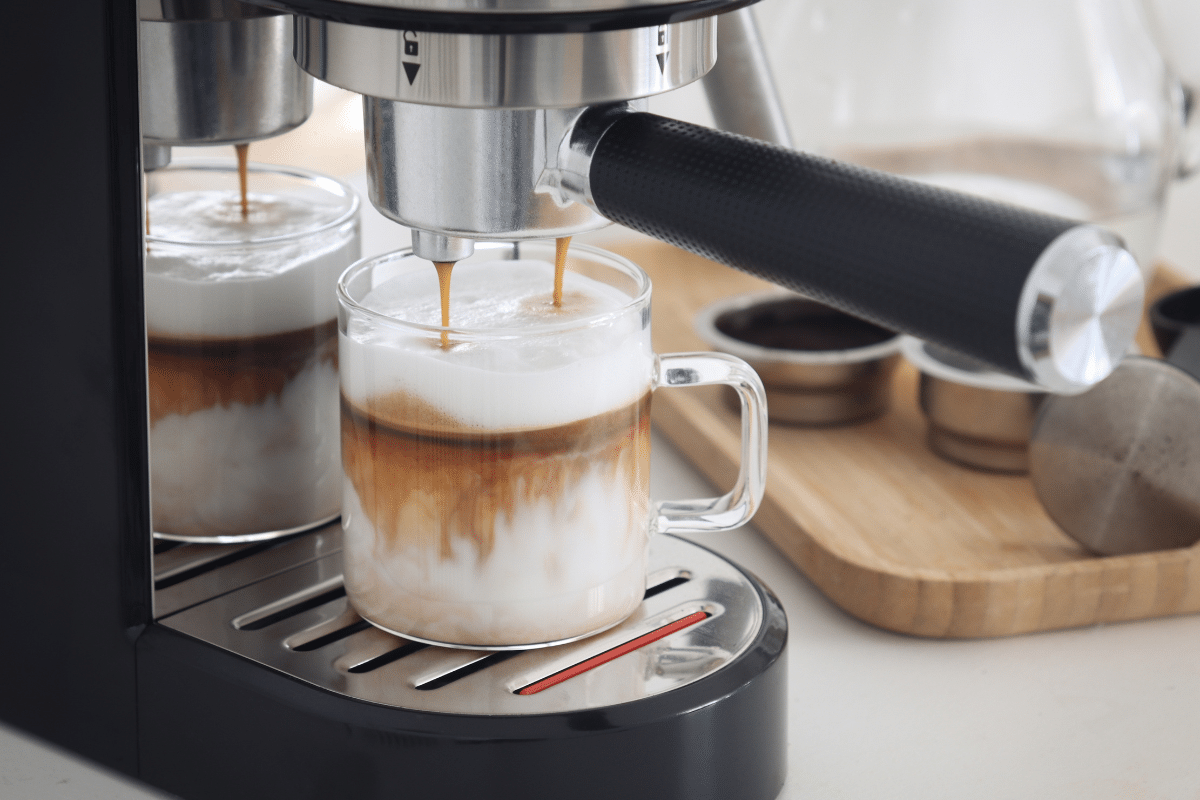
- Cold whole milk (or cold oat milk): 80–100 ml straight from the fridge. This fills the glass roughly two-thirds.
- Espresso: 1 single ristretto (15–20 ml) or 1 standard shot (25–30 ml). A ristretto, a restricted espresso pull using less water, gives a sweeter, denser shot that layers more cleanly. A standard double espresso works equally well if your machine doesn’t allow ristretto pulls.
- Sweetener (optional): 1 tsp vanilla syrup or simple syrup. If using, add to the milk before the espresso, never to the espresso itself, or it disrupts the pour.
- Glass: A clear glass, 150–200 ml capacity. The visual is half the experience. An opaque or non-transparent cup produces the right taste but completely misses the point of the drink.
Equipment: What You Need (and What You Don’t)
The equipment list for a dirty latte is shorter than you think because one common piece of equipment you do NOT need is a milk steamer. There is no frothing, no steaming, no microfoam. The milk goes in cold. This makes the dirty latte accessible to anyone with a way to brew concentrated coffee.
| Method | What it produces | Equipment cost | For dirty latte? |
| Espresso machine | True espresso: 9 bar pressure, crema | Highest | Best: the authentic result |
| Moka pot | Strong, concentrated brew (1–2 bar) | Low | Excellent: closest accessible substitute |
| AeroPress | Concentrated coffee (inverted method) | Low | Very good: control-friendly, clean cup |
| Nespresso / capsule | Espresso-style at the push of a button | Medium | Good: consistent, convenient |
| French press (double strength) | Rich concentrate, some sediment | Low | Acceptable: less intensity, softer result |
The Classic Dirty Latte Recipe (Step by Step)
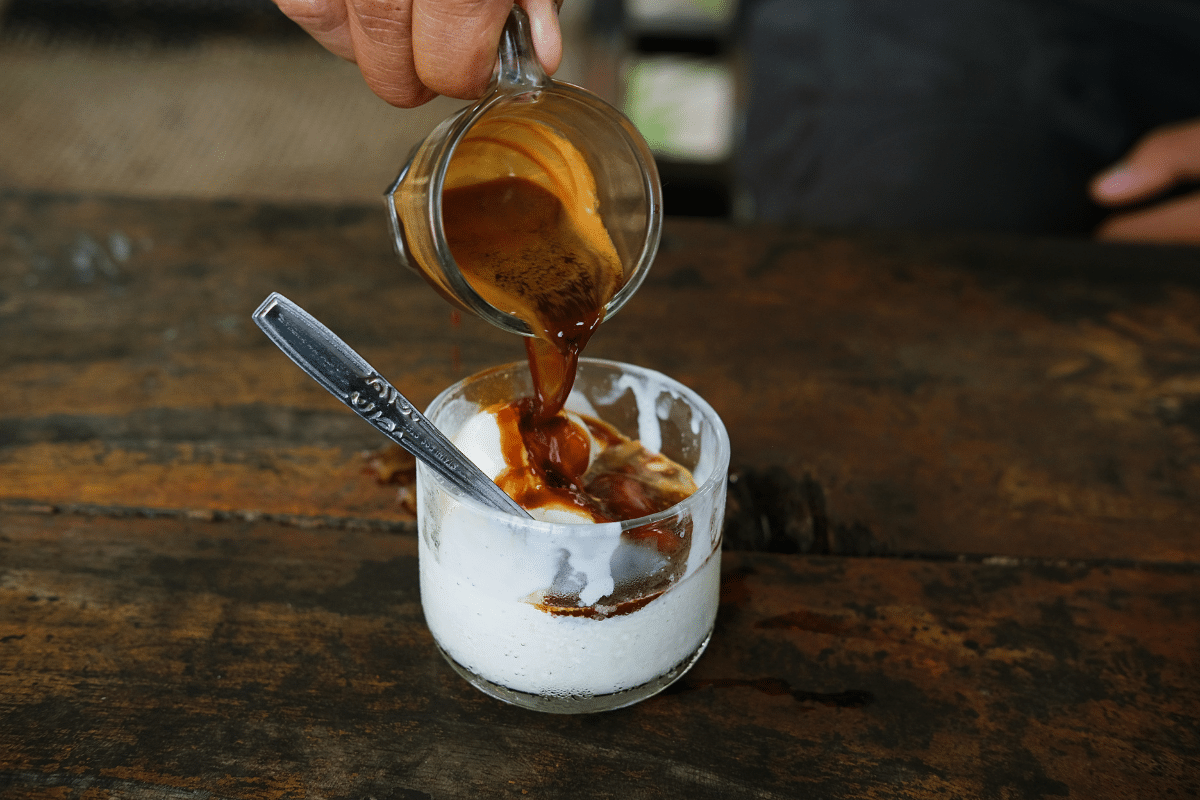
Makes 1 serving | Prep time: 2 minutes | Equipment: espresso maker + small clear glass
- Chill the glass (optional but worthwhile). Put your serving glass in the freezer for 5 minutes before use, or fill it with ice water, drain, and dry. A cold glass slows the temperature mixing once the espresso goes in, extending the layered experience.
- Add sweetener if using. Pour 1 tsp of vanilla syrup or simple syrup directly into the cold glass. This goes in first, under the milk, so it dissolves naturally without requiring stirring.
- Add the cold milk. Pour 80–100 ml of cold milk (straight from the fridge, not warmed, not at room temperature) into the glass. Fill to about two-thirds. The milk should sit calmly and still.
- Pull your espresso. Brew a single ristretto or standard espresso shot (15–30 ml, depending on your preference and machine). Use it immediately; espresso deteriorates quickly once pulled, and the hot-cold contrast relies on the shot being freshly brewed and hot.
- Pour the espresso. This is the key step. Hold a small spoon face down above the surface of the milk. Pour the espresso slowly over the back of the spoon, letting it spread gently across the milk rather than punching through it. Alternatively, pour down the inside edge of the glass. The goal is to float the espresso on top of the milk so the two liquids stay visually separated.
- Serve immediately. The drink is at its best in the first 2–3 minutes. Don’t stir the flavour layering as the espresso seeps downward is intentional. Drink it while the temperature contrast is alive.
Getting the Pour Right: Technique Matters
The pour is the technical skill in a dirty latte, and it’s the step most home recipes skip over too quickly. European Coffee Trip’s dirty coffee guide notes that even the glass shape influences the result: narrower glasses concentrate the temperature contrast and preserve the layering longer, while wider glasses cause the espresso to spread too thin and integrate faster.
The Spoon Method (Recommended for Beginners)
Hold a dessert spoon or bar spoon face down, hovering just above the milk surface. Pour your espresso shot slowly onto the back of the spoon. The spoon disperses the espresso laterally across the milk surface rather than allowing it to drop through vertically. The espresso then floats on top rather than sinking.
The Side-pour Method (for Experienced Pourers)
Tilt the glass slightly and pour the espresso slowly down the inner side wall. Surface tension and the angle of pour keep the espresso flowing along the glass wall rather than dropping straight through the milk. Requires a steady hand and a slow pour rate, roughly 10–15 seconds for a single shot.
Temperature and Gravity Do the Rest
Once poured correctly, the espresso sits on top as a dark, crema-covered layer. Because it’s hot and the milk below is cold, there’s a natural density difference that maintains the separation. Over the next few minutes, the layers begin to merge at their boundary; this is the drink working as intended. The first sip is espresso-dominant; subsequent sips become progressively more balanced. Drink it, don’t stir it.
Glass tip: Pour height matters. The lower and slower you pour, the cleaner the layer. Pouring from high above the glass (more than 5 cm) creates momentum that punches the espresso through the milk layer immediately, the visual collapses and the flavour becomes flat and integrated from the first sip.
Milk Choices: What Works, What Doesn’t
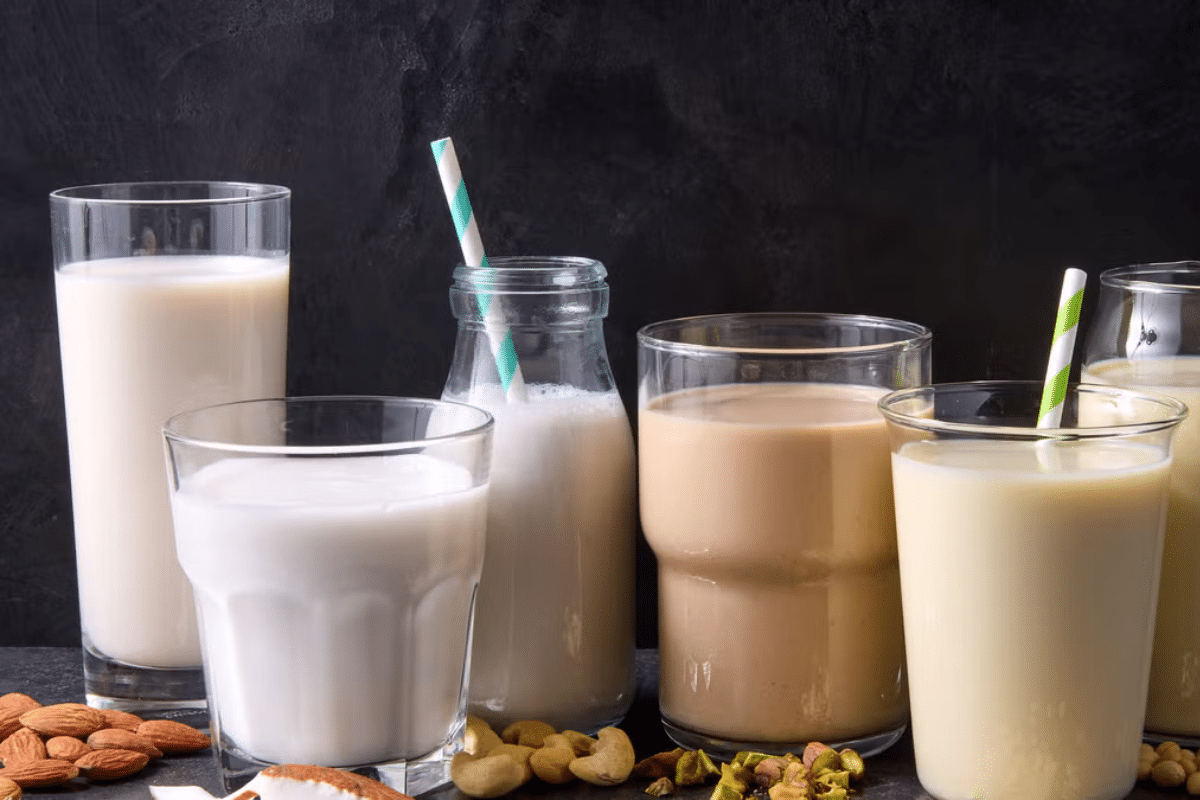
| Milk type | Layer quality | Flavour | Verdict |
| Whole dairy milk | Best visual layering; richest crema contrast | Neutral, slightly sweet | First choice |
| Barista oat milk | Creamy; stays cold well; oat sweetness | Subtly oaty | Best dairy-free option |
| Coconut milk (tin/carton) | Soft layering; Thai character | Coconut-forward | Thai variation, excellent |
| 2% dairy milk | Lighter layer; still works | Slightly thinner | Good if whole dairy milk unavailable |
| Skim / non-fat milk | Thin layer; poor visual contrast | Watery | Avoid, defeats the creaminess point |
| Warm or UHT milk | Layer collapses on contact with espresso | Flat | Avoid, cold milk is the whole point |
A note on coconut milk specifically: thin coconut milk (from a carton or diluted tinned) layers well and creates a more delicate, slightly sweet base that pairs naturally with darker espresso roasts. This is the basis of the Thai coconut dirty latte variation below, an adaptation that makes sense in Bangkok, where good coconut milk is easier to find than premium barista oat milk.
Espresso Without a Machine
Moka Pot (Best Substitute)
Fill the bottom chamber with hot water (using pre-heated water prevents the coffee from sitting on the heat too long and tasting bitter). Add medium-fine ground coffee to the filter basket, level but not tamped. Assemble and place on medium-low heat with the lid open. Remove from heat when the coffee stream begins to slow and lighten in colour, don’t wait for the splutter at the end, which over-extracts. The resulting brew is 60–80 ml of concentrated coffee with good body, though without espresso’s crema. Acceptable for a dirty latte, especially if you use a dark or medium-dark roast.
AeroPress (Excellent Option)
Use the inverted method for a dirty latte base: add 20 g of fine-ground coffee to the chamber, pour 70–80 ml of water at 92–95°C, stir, steep for 60–90 seconds, then press slowly and steadily over 20–30 seconds. The result is 70–90 ml of concentrated, clean-tasting coffee with very little sediment, arguably the best no-machine substitute for espresso when making milk-based drinks, because the lack of sediment means cleaner layering over the cold milk.
Nespresso / Capsule Machine
Use a ristretto or espresso-size extraction setting (the smallest volume option on your machine). A lungo extraction (larger volume, more dilute) won’t give you the concentration needed for a visible espresso layer above the milk. Any capsule that describes itself as ‘intense’ or ‘bold’ on the sleeve will work.
Three Dirty Latte Variations to Try
| Variation | Milk | Espresso | Flavour result |
| Classic dirty latte | Whole dairy milk, cold | Single ristretto or double espresso | The original, bold, clean, evolving layers |
| Oat milk dirty latte | Barista oat milk, cold | Double espresso | Dairy-free; slightly sweeter, still great contrast |
| Thai coconut dirty latte | Coconut milk (thin/light), cold | Single espresso | Tropical, creamy, the Bangkok homemade version |
| Sweetened dirty latte | Whole milk + vanilla syrup base | Double espresso | For those who want a flavour dimension under the pour |
Thai Coconut Dirty Latte, the Bangkok Home Version
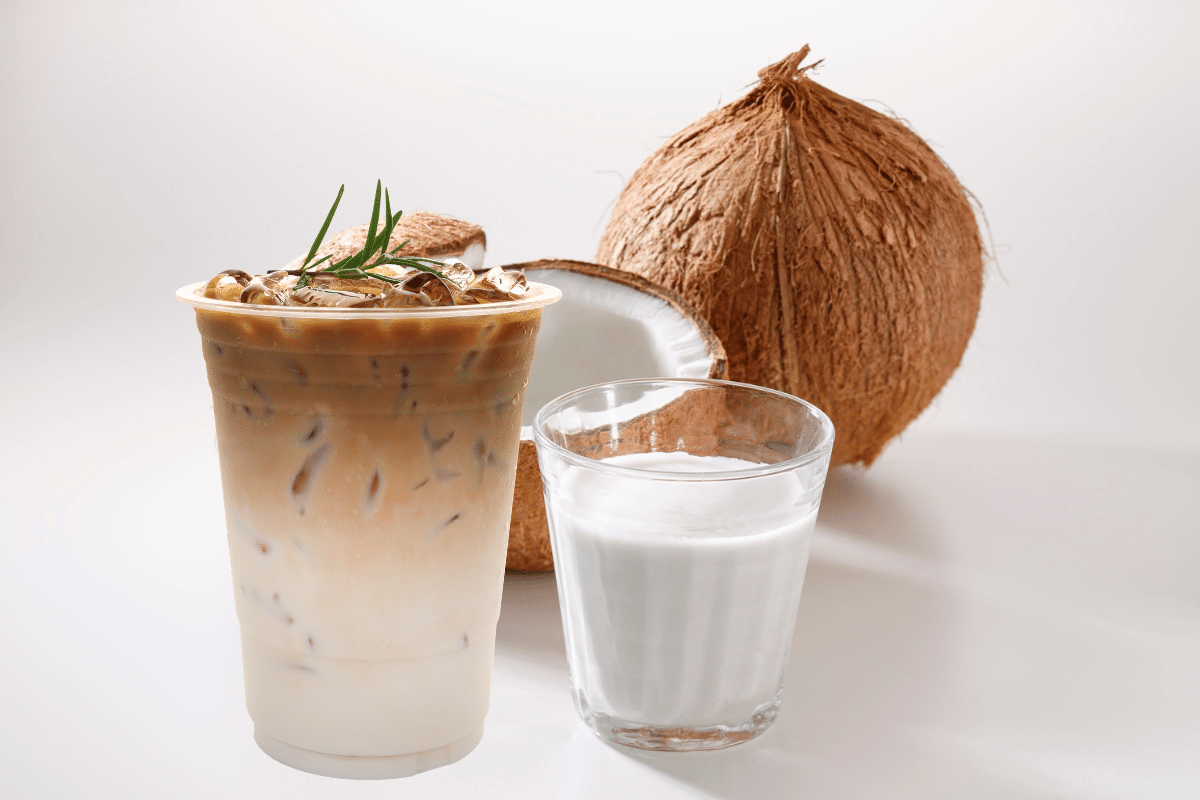
This variation takes the dirty latte concept and makes it Thai. Use cold coconut milk (a 50/50 mix of tinned coconut milk and water works well, or buy light coconut milk in a carton). The coconut milk creates a softer, creamier base layer with a subtle natural sweetness that doesn’t need additional syrup. Pour your espresso over it using the same spoon technique. The result is noticeably different from the dairy version; the coconut adds a tropical note that sits underneath the espresso’s roasted bitterness without competing with it. If you want to take the Thai angle further, a single-origin Thai arabica bean (sourced from northern Thailand’s highland farms) gives the espresso a fruity, lighter character that pairs particularly well with coconut.
For single-origin Thai beans to try at home, Bangkok coffee roasters carry Thai arabica alongside other origins; several offer retail bags alongside their café operations, or check the offerings at your nearest specialty roaster.
Common Mistakes and How to Avoid Them
- Using warm or room-temperature milk. The most common error. The entire point of the drink is the hot-cold contrast. The milk must come straight from the fridge. If you set it out while you’re brewing, it’s already too warm.
- Stirring immediately. Some people stir out of habit. Don’t. The evolving flavour as the layers merge is what makes the dirty latte interesting. If you want a fully integrated cold coffee, make an iced latte instead.
- Using an opaque cup. The dirty latte is also a visual drink. The brown-above-white layer in a clear glass is part of the experience and part of why it photographs so well. A ceramic mug produces the same flavour but misses the aesthetic entirely.
- Adding ice. This makes it an iced latte, not a dirty latte. The cold milk provides the chill without dilution. Ice waters down the espresso layer and changes the density relationship between the two liquids, preventing clean separation.
- Pouring too fast or from too high. A fast or high pour punches the espresso through the milk rather than letting it float on top. Slow, low, and steady pour over a spoon for the cleanest result.
- Using stale espresso beans. Espresso from beans more than 3–4 weeks past their roast date tends to produce flat, thin shots with little crema. The crema is part of the espresso layer’s visual and textural contribution to the drink. Buy from a roaster with a recent roast date printed on the bag.
When to Make It at Home vs Visit a Café
The dirty latte is genuinely one of the best specialty drinks to make at home, precisely because it requires no steaming skill, no latte art, and minimal equipment. Once you have a consistent espresso source, whether a machine, moka pot, or capsule, the only variable to master is the pour, and that takes a few attempts at most.
That said, a well-made café version from a skilled barista using quality beans is still noticeably different from a home version with budget equipment. Bangkok’s coffee roasters often serve their dirty latte as a way to showcase a specific single-origin espresso, and the drink’s cold-milk delivery makes it an ideal vehicle for tasting subtle bean characteristics that steaming tends to mute.
If you’re interested in the parallel home-brew tradition with Thai coffee more broadly, the guide to making the perfect Thai coffee at home covers the oliang filter method, condensed milk ratios, and the equipment you’ll find in any Bangkok local-style coffee shop.

What to Try Next
Once the classic dirty latte is in rotation, the complete coffee FAQ guide covers the broader Bangkok coffee vocabulary, from the dirty chai and dirty matcha variations through to Thai single-origin roasting, and where to find the city’s best espresso for both drinking and taking home.
Comments