
Walk into almost any Bangkok street market, shopping mall, food court, or neighbourhood cafe, and you will see it: a tall plastic cup of brilliant orange tea, layered with creamy condensed milk and beads of ice. That is cha yen (ชาเย็น), Thai iced tea, and it is as much a part of the city’s drinking culture as pad kra pao is to its food scene.
If you are trying to manage your caffeine intake while exploring Bangkok’s tea houses and cafes, the question is fair: Does Thai tea have caffeine? The short answer is yes, and the amount can vary more than most people expect. This guide covers exactly how much caffeine is in Thai tea, what affects it, how cha yen compares to coffee and other drinks, and how to order smart at Bangkok street stalls or specialty cafes.
What Is Thai Tea (Cha Yen)?
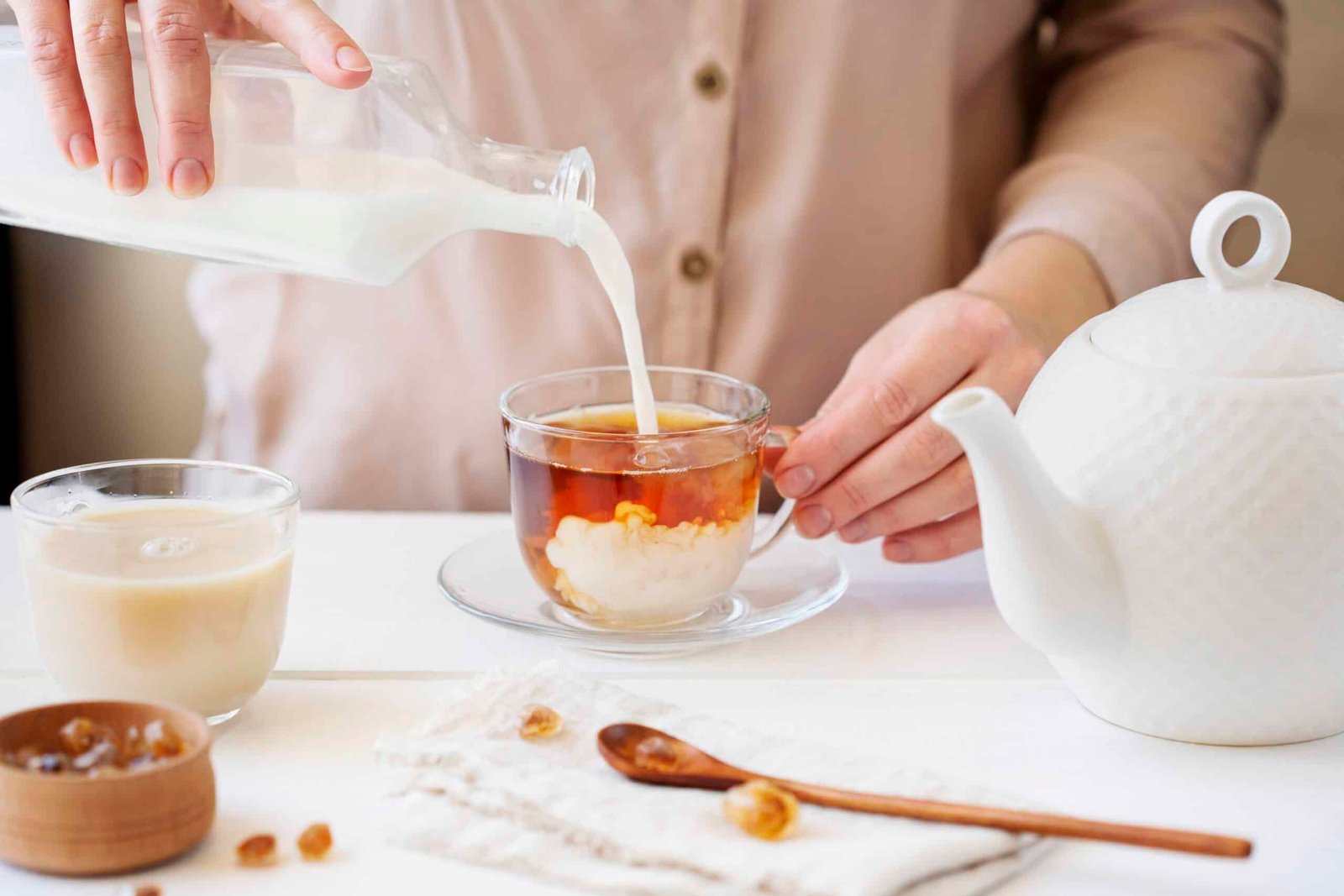
Thai tea, known locally as cha yen (ชาเย็น, literally “cold tea”), is one of Thailand’s most popular drinks. Its history goes back to the reign of King Rama V, when Chinese merchants and immigrants introduced tea culture to the country. Because imported Ceylon tea was expensive, Thais adapted the recipe using locally grown Assam black tea blended with spices, and the result became a national staple.
The classic recipe includes:
- Strongly brewed black tea. The most popular blend is ChaTraMue (“Number One Brand”), the go-to mix used by street vendors across the country
- Sweetened condensed milk and evaporated milk for creaminess
- Sugar for sweetness. A large market cup can carry 30-40 g of added sugar
- Spices such as star anise, cardamom, tamarind, and sometimes cinnamon
- Orange-red colour from safflower oil or food colouring, giving cha yen its unmistakable look
The tea is brewed very strongly, often using a traditional cloth sock filter in a pull-pour technique, then poured over crushed ice. Street vendors across Bangkok sell it for 15-25 Baht in a plastic bag. Specialty cafes and tea houses serve fancier versions from 80 Baht upward.
Yes, Thai Tea Contains Caffeine. Here Is Why
The caffeine in Thai tea comes entirely from its black tea base. Black tea is made from the fully oxidised leaves of the Camellia sinensis plant, the same plant used for green, white, and oolong teas. Oxidation gives black tea a bolder flavour and a higher caffeine level than other tea types.
Most traditional Thai tea blends use a strong Assam-based mix, brewed extra-strong, often steeped for far longer than a typical English Breakfast bag. That is part of what gives cha yen its bold taste, and it means the caffeine level is noticeably higher than a quick teabag brew.
The sweetened condensed milk, evaporated milk, sugar, and spices added to cha yen contain essentially zero caffeine. The caffeine comes down entirely to how strongly the black tea base is brewed.
How Much Caffeine Is in Thai Tea?

Caffeine in Thai tea typically ranges from 30 to 60 mg per 8 oz (240 ml) serving. A standard restaurant or market cup in Bangkok is usually 12-16 oz, which puts a typical cha yen at roughly 45-70 mg of caffeine in total. Here is how that compares to other drinks you will find on Bangkok cafe menus:
| Drink | Typical Caffeine per Serving |
|---|---|
| Espresso (1 shot / 30 ml) | 60-75 mg |
| Drip coffee (240 ml) | 80-120 mg |
| Thai iced coffee / oliang (240 ml) | 60-100 mg |
| Thai iced tea/cha yen (240 ml) ★ | 30-60 mg |
| Green tea (240 ml) | 20-45 mg |
| Herbal tea/roselle / cha manao | 0 mg |
| Energy drink (250 ml can) | 80 mg |
Thai tea sits well below a cup of coffee in terms of caffeine, but noticeably above herbal and caffeine-free options. For most people, one glass of cha yen in the morning gives a gentle, steady lift, not a sharp jolt.
What Affects the Caffeine Level in Thai Tea?
Because Thai tea is brewed fresh rather than coming from a can or bottle, caffeine levels can vary quite a bit from cup to cup:
- Brewing strength and steeping time: The longer the tea steeps, the more caffeine it releases. Many Bangkok street vendors brew for 20 minutes or more for maximum flavour and caffeine.
- Amount of tea leaves or mix: More mix powder or loose leaf per volume of water means more caffeine. Restaurant-made cha yen is often much stronger than a homemade cup.
- Serving size: A 16-oz cup contains more brewed tea than an 8-oz one, so there is more total caffeine.
- Ice dilution: A lot of ice dilutes the tea but does not remove caffeine. The same amount of caffeine is just spread across more liquid.
- Tea blend used: Higher-end Thai tea blends tend to be more consistent. Street vendor mixes can vary from batch to batch.
Thai Tea Caffeine vs Thai Coffee: What Is the Difference?
Bangkok’s cafe culture serves both cha yen and its caffeinated cousin, Cafae yen (กาแฟเย็น), or the traditional oliang (โอเลี้ยง), Thailand’s classic iced black coffee, often blended with roasted sesame and soybeans. If you have seen both on a cafe menu and wondered which gives more of a kick:
- Oliang (traditional Thai iced black coffee) typically carries 80-120 mg of caffeine in a standard serving, roughly double that of a glass of cha yen.
- Cafae boran (traditional Thai drip-filtered coffee) sits at 70-100 mg.
- Cha yen (Thai iced tea) gives a gentler boost at 30-60 mg, with a smoother energy curve thanks to L-Theanine in the black tea leaves.
If you want to learn more about Thailand’s coffee culture, from street-cart Cafae boran to single-origin pour-overs, our guide to which coffee is famous in Thailand covers every local brew worth knowing.
Does Adding Milk or Sugar Reduce the Caffeine in Thai Tea?
This is one of the most common misconceptions about cha yen: no, milk does not reduce the caffeine. Whether you add sweetened condensed milk, evaporated milk, or a plant-based alternative, the total caffeine in the cup stays exactly the same. Sugar makes no difference either.
| Quick myth-bust: Ice can dilute the caffeine per sip, but it does not reduce the total caffeine in the cup. A watery cha yen has the same amount of caffeine as a strong one. It is just spread across more liquid. |
What milk does do is change how the caffeine feels. The fat and protein in condensed milk slow it from taking effect as fast, and the sweetness hides the bitter edge, making a strong cup of cha yen feel smoother than an equally caffeinated black coffee. For more on how caffeine works across Thai drinks, see all your Thai coffee FAQs answered.
Why Cha Yen Feels Different from Coffee (L-Theanine)

Even if cha yen and a cup of drip coffee had the same amount of caffeine, most people feel a gentler, more lasting energy boost from the tea. That comes down to L-Theanine, a natural compound found in black tea leaves.
L-Theanine and caffeine work well together. L-Theanine softens the caffeine hit, making jitters and sudden crashes less likely, while also helping the boost last longer. Research has found that this combination improves focus and mental sharpness better than caffeine on its own.
Put simply, a glass of cha yen at breakfast is much less likely to make you anxious than two espressos would. That is part of why many Thais drink it as a morning coffee swap. As one Bangkok vendor noted in the MICHELIN Guide Thailand, cha yen “can substitute for coffee because it has caffeine and gives you energy from its sugar content.”
Who Should Watch Their Thai Tea Intake?
For most healthy adults, one or two glasses of Thai tea a day sits well within the general guideline of 400 mg of daily caffeine. But some groups should pay closer attention:
- Pregnant women: Health guidelines generally suggest keeping caffeine below 200 mg per day during pregnancy. One large cha yen is unlikely to exceed that limit, but it is worth tracking alongside any coffee or other caffeinated drinks. Always check with your doctor.
- Caffeine-sensitive people: If coffee gives you jitters, anxiety, or trouble sleeping, start with a smaller serving of cha yen and see how you feel. The gentler caffeine profile helps, but everyone reacts differently.
- Children: Thai tea is often given to children for its sweet, milky taste, but it contains caffeine. Herbal alternatives such as roselle or lemongrass tea are a better choice for younger kids.
- People with sleep problems: Drinking Thai tea in the evening can affect sleep even at moderate amounts. Stick to morning or early afternoon if you are sensitive to caffeine.
How to Enjoy Thai Tea with Less Caffeine
If you love cha yen but want to cut back on the caffeine, here are some practical options, whether you are at a market stall or a Bangkok specialty cafe:
- Ask for a weaker brew: At Bangkok cafes, you can often ask for lighter steeping. Say cha yen, oi noi (ชาเย็น อ่อนน้อย) for “a little weak” when ordering.
- Choose a smaller serving: A small 10 oz cup has much less caffeine than a large 20 oz market portion. Simple but effective.
- Try cha manao (ชามะนาว): Thai lime tea uses a similar black tea base but is usually brewed lighter. The tart, citrusy flavour makes even a small glass feel refreshing.
- Go herbal (cha krachiat): Roselle hibiscus tea (ชากระเจี๊ยบ) is widely available at Thai market stalls. It is completely caffeine-free, deep red in colour, and tart-refreshing. A great evening drink instead of cha yen.
- Decaf options: A growing number of Bangkok’s specialist tea houses now stock decaffeinated black tea as a base for cha yen, giving you the full flavour without the caffeine.
Where to Find Thai Tea and Tea Houses in Bangkok

Cha yen is everywhere in Bangkok, from ี15-25 plastic-bag cups at Chatuchak Weekend Market and Or Tor Kor Market to ี180 layered glasses at specialty cafes in Thonglor, Ari, or Phrom Phong. For a more relaxed tea experience, the city’s dedicated tea houses offer quality cha yen alongside single-origin teas and caffeine-free herbal blends.
Browse the full selection of tea houses in Bangkok on Caffeine Spots to find spots near you that focus on Thai tea, herbal teas, and everything in between. For a broader cafe search across the city, the Caffeine Spots Bangkok cafe directory features hundreds of listings with drink menus, opening hours, and locations.
Frequently Asked Questions About Thai Tea
Is Thai iced tea high in caffeine?
Not compared to coffee. A typical glass of cha yen contains 30-60 mg of caffeine versus 80-120 mg in a cup of drip coffee. It is a moderate-caffeine drink that gives a noticeable but gentle boost, with a smoother feel than coffee thanks to L-Theanine in the black tea base.
Does Thai green tea have caffeine?
Yes. Thai green tea (cha khiao / ชาเขียว) is made from green tea leaves, which naturally contain caffeine, usually 20-45 mg per serving. That is slightly less than cha yen made from black tea.
Can I drink Thai tea at night?
It depends on how sensitive you are to caffeine. Thai tea has enough caffeine to affect sleep if you drink it in the evening. If you are sensitive, try roselle tea (cha krachiat) or another herbal option after 4 pm instead.
Is Thai tea caffeine the same as bubble tea caffeine?
Thai tea-flavoured bubble tea (boba) uses the same black tea base as cha yen, so the caffeine content is similar, typically 30-60 mg per serving. Some boba shops use a pre-made concentrate that may be slightly stronger or weaker than freshly brewed tea.
Does decaf Thai tea exist in Bangkok?
Yes, a growing number of specialty cafes and tea houses in Bangkok now offer decaffeinated black tea as a base for cha yen. Availability is growing as the specialty tea scene expands. Browse Bangkok tea listings on Caffeine Spots to find current options near you.
Comments